
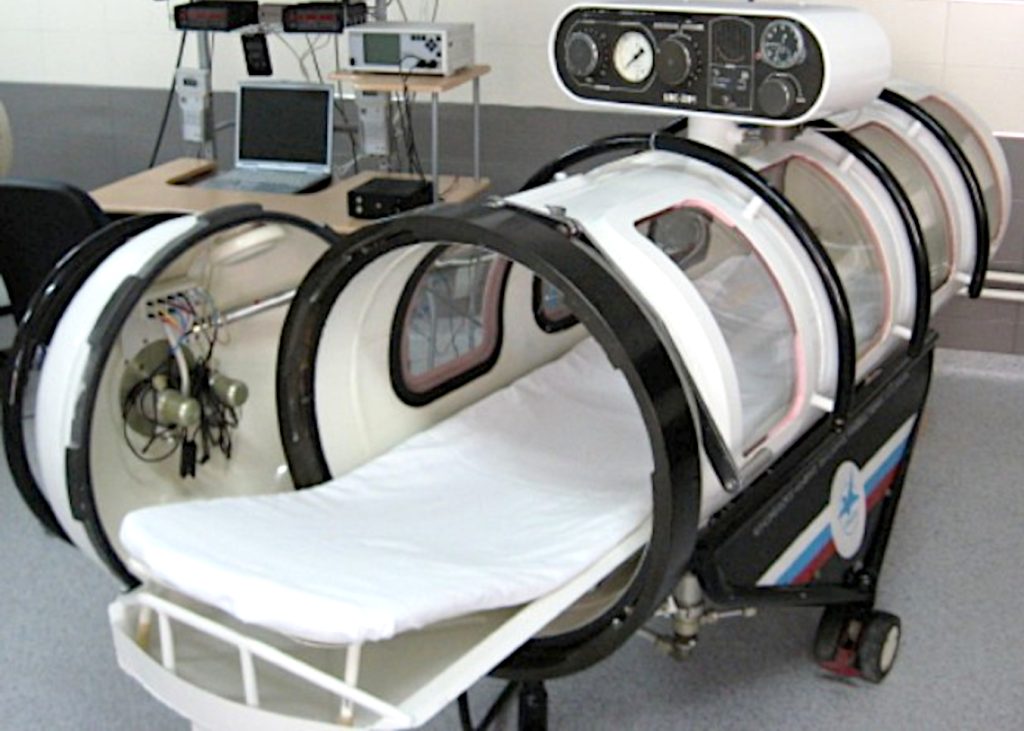
Hyperbaric Oxygen Therapy (HBOT) is a proven medical treatment that uses high-pressure oxygen to accelerate healing, fight infection, and support recovery in conditions such as chronic wounds, radiation injury, and decompression sickness. Like any medical procedure, it carries potential risks that should be understood and carefully managed.
When treatment is performed under strict medical supervision—with proper patient screening, gradual pressurization, and certified equipment—HBOT has an excellent safety record. Research indicates that serious complications such as seizures or significant barotrauma occur in roughly 1–2 cases per 10,000 sessions (StatPearls, 2023). Fatal events are extraordinarily rare and typically involve pre-existing conditions or technical errors, not the therapy itself.
It’s worth noting that HBOT is also the standard medical response for decompression sickness in divers. While both involve exposure to pressure changes, HBOT is delivered in a precisely controlled environment by trained clinicians, the opposite of the variable conditions faced during diving. This controlled approach is what makes HBOT so safe, even when treating pressure-related injuries.
Compared with many other medical procedures, HBOT carries a lower overall complication rate. For context, common diagnostic or surgical procedures such as colonoscopy show serious complication rates of 0.1–0.3% (NIH, 2022), while appendectomy has reported complication rates between 4–27% and a mortality rate of 0.09–0.24% (JAMA Surgery, 2018). By contrast, HBOT’s severe adverse events are fewer than 0.02%, highlighting its strong safety margin when performed correctly.
Below are the main hyperbaric chamber risks and the most effective ways to minimize them for optimal HBOT safety.
Barotrauma
Barotrauma results from pressure changes affecting air-filled spaces like the ears, sinuses, lungs, or teeth. It can cause ear pain, ruptured eardrums, or, rarely, lung collapse (pneumothorax).
Risk factors include rapid pressurization or pre-existing ear or sinus issues. Preventive steps include gradual compression, equalization techniques (swallowing or yawning), and medical screening.
Barotrauma is the most common oxygen therapy side effect, affecting up to 20% of patients, but it is usually mild and temporary (Mayo Clinic).
Oxygen Toxicity
Prolonged exposure to pure oxygen at elevated pressures can cause central nervous system (CNS) or pulmonary oxygen toxicity. Symptoms include seizures, coughing, or chest tightness.
To minimize this, treatments are kept within 2–3 atmospheres absolute (ATA) and include air breaks. Seizures occur in about 1–2 per 10,000 sessions (Undersea Hyperb Med, 2019).
These episodes are reversible and preventable when protocols are respected, reinforcing HBOT’s strong safety record.
Fire Hazard
Oxygen-enriched environments significantly increase combustion risk. Even a tiny spark from static electricity, lighters, or batteries can ignite.
Certified centers follow strict fire safety standards, including oxygen-cleaned equipment, grounding, flame-retardant materials, and suppression systems. Patients must avoid prohibited items such as petroleum-based products, lighters, or electronics.
Thanks to rigorous standards, fires in HBOT chambers are extremely rare (CDC NIOSH).
Claustrophobia and Psychological Distress
Monoplace hyperbaric chambers can induce anxiety or claustrophobia, especially in sensitive individuals. Symptoms may include restlessness, panic, or shortness of breath.
Psychological preparation, relaxation techniques, mild sedation, or opting for larger multiplace chambers can help. Supportive staff presence is essential for comfort and reassurance.
Vision Changes
Temporary vision changes, usually nearsightedness (myopia), can occur with prolonged exposure to high oxygen levels. This results from subtle lens alterations and typically resolves within weeks after therapy ends.
Monitoring by medical staff and limiting the total number of HBOT sessions reduce this risk (StatPearls).
Decompression Sickness (Rare)
Though HBOT treats decompression sickness, rapid depressurization can paradoxically cause it if procedures are mishandled. Nitrogen bubbles may form in tissues, leading to joint pain, dizziness, or neurological symptoms.
This is exceedingly rare and easily prevented with slow decompression and trained operators.
Contraindications and Medical Complications
Certain medical conditions make HBOT unsafe or require special precautions.
Absolute contraindication: untreated pneumothorax (collapsed lung).
Relative contraindications: severe heart failure, high fever, or concurrent chemotherapy (e.g., cisplatin).
A full medical assessment should always precede therapy to ensure individual HBOT safety.
Equipment Malfunction or Operator Error
Equipment faults or untrained staff increase risk. Potential issues include chamber leaks, pressure imbalance, or mechanical failure.
Unregulated, home-use hyperbaric devices are especially hazardous and lack critical safety certifications.
Always choose a licensed medical facility with FDA-cleared or CE-certified equipment and trained hyperbaric technicians.
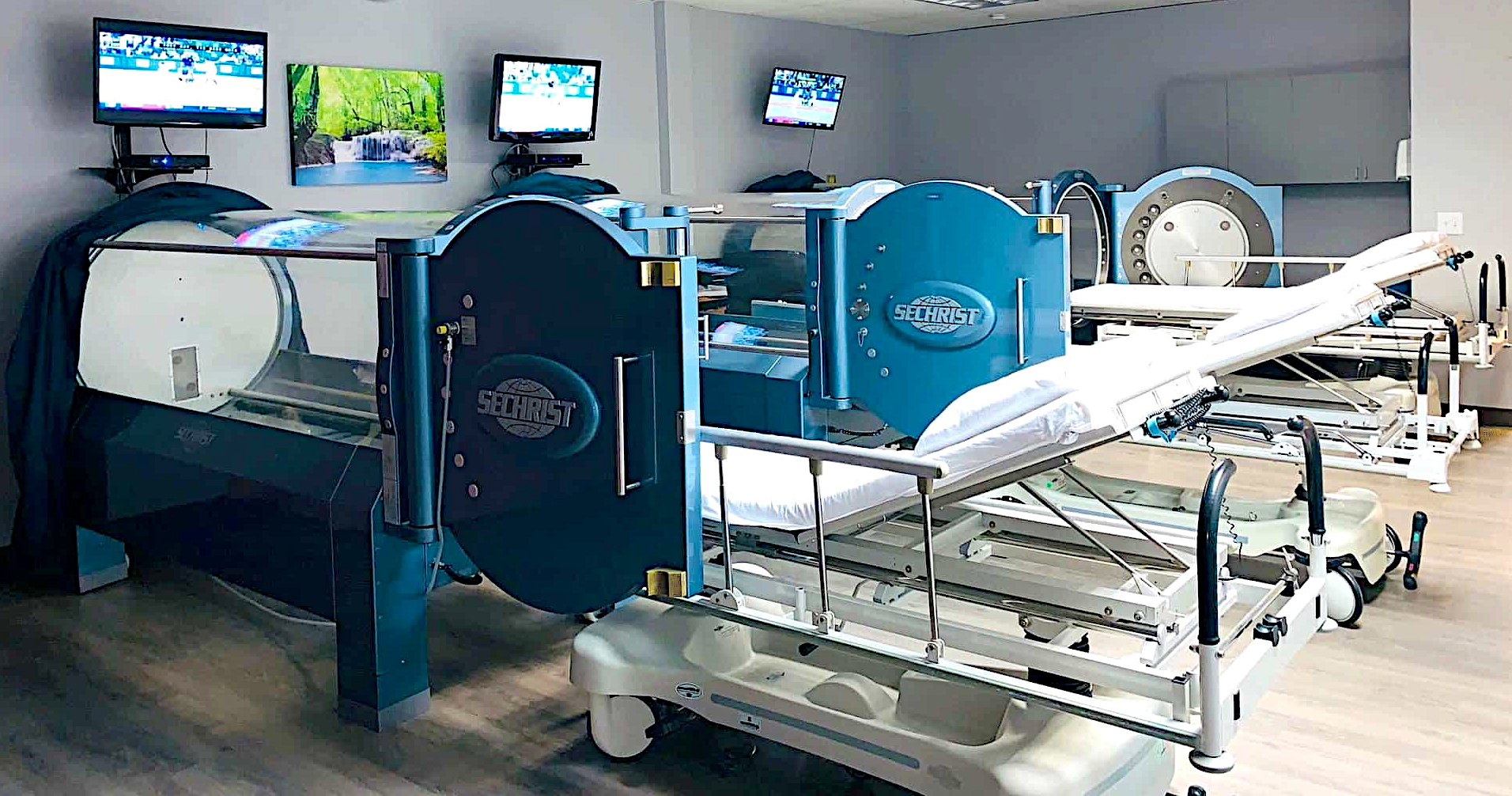
How to minimize Risks in Hyperbaric Oxygen Therapy
Hyperbaric Oxygen Therapy (HBOT) is a powerful medical treatment with well-defined risks, primarily related to pressure changes, elevated oxygen concentration, and fire hazards. Safety depends on strict adherence to internationally recognized protocols. Whether you are a patient or a practitioner, understanding these core safety measures is essential to ensure every HBOT session is both effective and risk-free.
Choose Accredited Facilities with Expert Staff
-
Seek treatment at a facility accredited by a recognized national or international hyperbaric medicine body (for example, the Undersea and Hyperbaric Medical Society – UHMS, or in Europe, the European Committee for Hyperbaric Medicine – ECHM). Accreditation guarantees compliance with the highest standards of patient care, equipment maintenance, and safety procedures.
-
Ensure the clinical team (hyperbaric physicians, technicians, and nurses) has specialized training and certification in hyperbaric medicine. Ongoing professional education is a strong indicator of a quality facility.
Comprehensive Patient Screening and Medical Evaluation
-
A thorough medical evaluation is mandatory to identify absolute contraindications, such as an untreated pneumothorax (collapsed lung).
-
Your doctor should review your full medical history, including any lung disease, ear or sinus conditions, recent surgeries, or implanted medical devices.
-
An assessment for relative contraindications and potential drug interactions is critical, since certain medications (for example, some chemotherapy agents) can increase oxygen sensitivity and raise risk.
Strict Treatment and Equipment Protocols
-
Facilities must follow the chamber manufacturer’s operating instructions and maintain all equipment according to a strict maintenance schedule, in line with standards such as ISO 13485 or EN 14931 for medical pressure systems.
-
Treatment pressure and duration should be tailored to the specific medical indication, following evidence-based clinical guidelines.
-
“Air breaks”—short intervals of breathing room air—are routinely included to minimize the risk of oxygen toxicity and allow the body to safely manage the increased oxygen load.
A Zero-Tolerance Approach to Fire Safety
Fire prevention is the single most critical aspect of HBOT safety because of the oxygen-enriched environment, where even small sparks can ignite flammable materials.
-
Static Control: Grounding straps or anti static bracelets are routinely used to prevent static electricity discharge, particularly in monoplace chambers operating with 100% oxygen.
-
Flammable Materials: Patients are provided with 100% cotton clothing and linens. Synthetic fabrics, wool, and materials that can generate static are strictly prohibited.
-
Prohibited Items: No personal electronic devices, batteries, lighters, metal objects, or flammable substances (including perfumes, lotions, or hairsprays) are allowed inside the chamber area.
-
Ventilation and Oxygen Management: Facilities must have ventilation systems that prevent oxygen buildup around external equipment and ensure a safe ambient environment.
Continuous Monitoring and Emergency Preparedness
-
Patients are continuously monitored visually and audibly throughout treatment for any sign of discomfort, difficulty equalizing, or breathing problems.
-
Staff must be trained in hyperbaric emergency response and conduct regular drills for scenarios such as fire, sudden illness, or pressure-related complications.
-
Emergency equipment, including oxygen shut-off systems and medical resuscitation kits, must be readily available and checked routinely.
-
A strong safety culture includes reporting, reviewing, and learning from any adverse events to improve practice and outcomes across the hyperbaric community.
The conclusion is that HBOT Safety depends on standards. While the potential dangers of hyperbaric chambers are real, serious complications are exceptionally rare in professional medical settings. Compared with other common procedures, HBOT complications are minimal when guided by trained professionals and established safety protocols.
At O2-O3, we prioritize education, patient evaluation, and evidence-based standards to ensure Oxygen-Therapy procedures are carried out both effectively and safe.
If you are considering HBOT, consult a qualified healthcare provider, discuss your medical history, and confirm that your treatment follows approved protocols. Informed patients are safe patients—let’s advance oxygen therapies responsibly and transparently.
Read more on our blog about the benefits, risks, and innovations in Hyperbaric Oxygen Therapy (HBOT) at:
👉 https://o2-o3.com/HBOT
Sources:
- Mayo Clinic – Hyperbaric Oxygen Therapy Overview: https://www.mayoclinic.org/tests-procedures/hyperbaric-oxygen-therapy/about/pac-20394380
- StatPearls – Hyperbaric Oxygen Therapy (2023): https://www.ncbi.nlm.nih.gov/books/NBK482270/
- CDC NIOSH – Fire Hazard in Hyperbaric Chambers: https://www.cdc.gov/niosh/hbot/firehazard.html
- Undersea and Hyperbaric Medicine Journal – Seizure Incidence in HBOT (2019): https://pubmed.ncbi.nlm.nih.gov/31348964/
- Divers Alert Network – Annual Diving Report (2021): https://www.ncbi.nlm.nih.gov/pmc/articles/PMC9121744/